MON - FRI 9:00 - 17:30

Published: May 2026 | by Admin
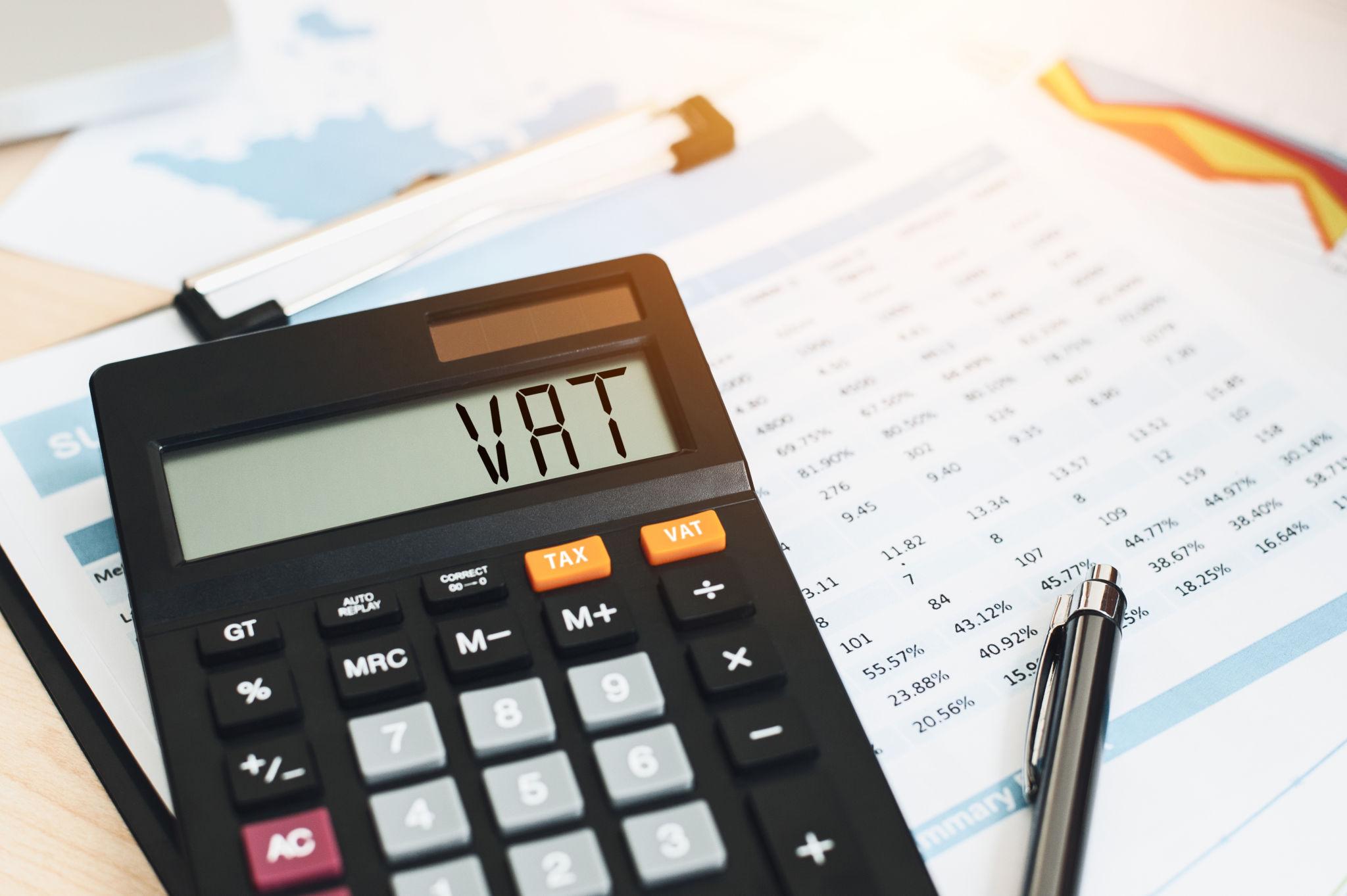
Value Added Tax, commonly known as VAT, is one of the most important taxes small business owners in the UK need to understand. While it may seem complex at first, having a clear understanding of how VAT works can help you stay compliant, avoid penalties, and make better financial decisions. In 2026, with increased scrutiny and digital reporting, VAT awareness is more critical than ever.
VAT is a consumption tax charged on most goods and services sold in the UK. Businesses collect VAT from their customers and pay it to HM Revenue and Customs. At the same time, businesses can reclaim VAT on eligible purchases, making it a tax that is ultimately borne by the end consumer rather than the business itself.
You are required to register for VAT if your business turnover exceeds the VAT threshold set by HM Revenue and Customs. This threshold is reviewed periodically, so it is important to stay updated with current limits. Once your taxable turnover crosses this threshold within a 12-month period, registration becomes mandatory.
Even if your turnover is below the threshold, you can choose to register voluntarily. This can be beneficial in certain situations, particularly if you work with VAT-registered clients or incur significant VAT on business expenses.
Once registered, you must charge VAT on your goods or services, usually at the standard rate, although some items may qualify for reduced or zero rates. You will collect VAT from your customers and then submit VAT returns to HM Revenue and Customs, typically on a quarterly basis.
At the same time, you can reclaim VAT paid on business-related purchases. The difference between the VAT you collect and the VAT you reclaim is what you pay to the tax authority.
Voluntary registration can enhance your business credibility, especially when dealing with larger clients who expect suppliers to be VAT-registered. It also allows you to reclaim VAT on your expenses, which can reduce your overall costs.
However, it also means increased administrative responsibilities and the need to charge VAT on your services, which could impact pricing for customers who are not VAT-registered.
To simplify VAT reporting, HM Revenue and Customs offers different VAT schemes tailored for small businesses. These include the Flat Rate Scheme, which allows you to pay a fixed percentage of your turnover as VAT, and the Cash Accounting Scheme, where you only pay VAT when you receive payment from customers.
Choosing the right scheme depends on your business model, cash flow, and expense structure.
Many small businesses make errors when dealing with VAT, such as charging incorrect rates, missing filing deadlines, or failing to keep proper records. These mistakes can lead to penalties and cash flow issues.
Understanding your obligations and maintaining accurate records will help you avoid these problems and ensure smooth compliance.
The UK government has introduced the Making Tax Digital initiative, which requires businesses to maintain digital records and submit VAT returns using compatible software. This move aims to reduce errors and improve efficiency in tax reporting.
Adopting digital tools not only ensures compliance but also makes managing your finances more streamlined and transparent.
Deciding whether to register for VAT depends on your turnover, client base, and long-term business strategy. While mandatory registration is based on turnover, voluntary registration can offer strategic advantages if managed correctly.
Evaluating your position carefully or consulting a professional can help you make the right decision.
VAT can seem complicated at first, but with the right understanding, it becomes a manageable part of running a business. Staying informed, keeping accurate records, and choosing the right VAT scheme can make a significant difference in your financial efficiency.
By taking a proactive approach to VAT, small business owners can avoid unnecessary stress and focus on growing their business with confidence.