MON - FRI 9:00 - 17:30

Published: April 2026 | by Admin
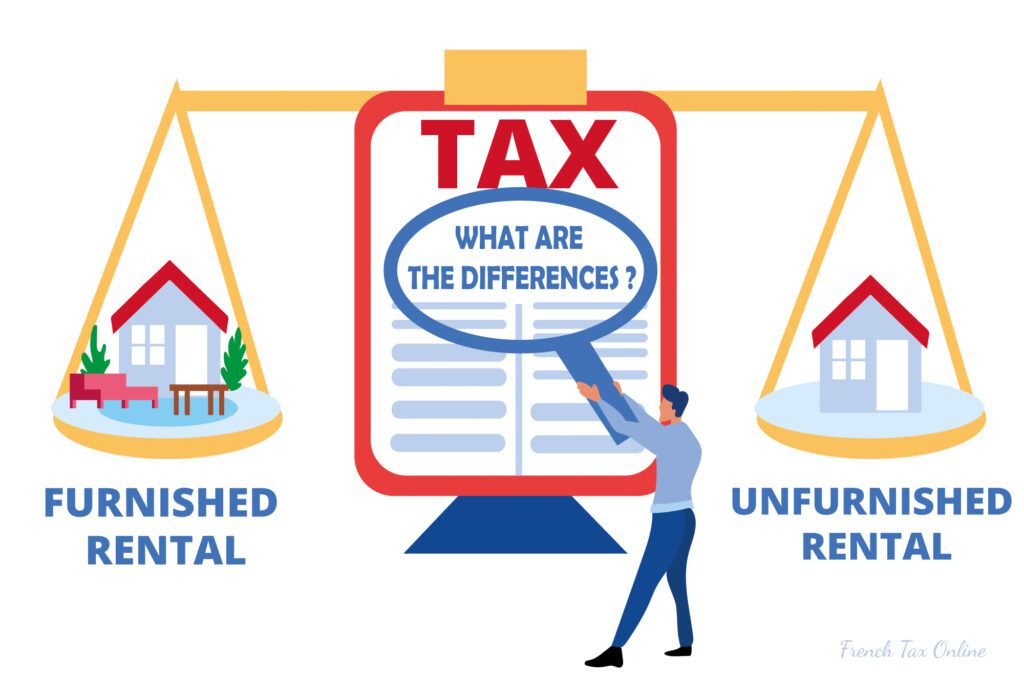
One of the most overlooked decisions in property investment is whether to let a property furnished or unfurnished. At first glance, this may seem like a purely operational choice driven by tenant preference or rental demand. However, the decision carries important tax implications that can directly affect your net returns.
Many landlords assume that furnished properties automatically offer tax advantages because of higher expenses. In reality, the UK tax system treats both furnished and unfurnished rentals in a broadly similar way, with only a few key differences. Understanding these nuances is essential if you want to structure your investment efficiently.
A furnished rental is typically equipped with essential living items, allowing a tenant to move in immediately. This includes furniture such as beds and sofas, along with appliances like refrigerators, washing machines, and ovens. These properties are often positioned towards tenants seeking flexibility, such as students, young professionals, or short-term renters.
By contrast, an unfurnished property usually provides only the basic fixtures required for habitation. Tenants are expected to bring their own furniture, which naturally attracts longer-term occupants such as families or individuals looking for stability. This difference in tenant profile has a direct impact not only on rental income but also on cost patterns and, ultimately, taxable profit.
In the UK, rental income from both furnished and unfurnished properties is taxed as property income. This means landlords are taxed on their net profit, which is calculated by deducting allowable expenses from rental income.
The distinction between furnished and unfurnished properties does not change the fundamental tax rate you pay. Instead, it influences the type and frequency of expenses you incur, which in turn affects how much taxable profit you report.
One of the most relevant tax rules for landlords is the Replacement of Domestic Items Relief. This applies equally to furnished and, in some cases, partially furnished properties. The relief allows you to deduct the cost of replacing items such as furniture, appliances, carpets, and curtains, provided the new item is broadly like-for-like.
It is important to understand that this relief applies only to replacements, not to the initial furnishing of a property. For example, if you purchase a new sofa to replace an old one, the cost is deductible. However, if you are furnishing a property for the first time, that cost cannot be claimed against your rental income.
This is where many investors miscalculate expected returns, particularly when entering the furnished rental market.
Furnishing a property can require a significant upfront investment, especially if you are aiming to attract premium tenants or operate in a competitive urban market. Despite this, the tax system does not allow landlords to deduct these initial furnishing costs as an expense.
Instead, these costs are treated as capital expenditure. This means they may only be considered when calculating capital gains tax upon sale, rather than reducing your annual income tax liability.
As a result, furnished properties often require higher upfront capital without offering immediate tax relief, which can impact short-term cash flow.
Furnished properties generally involve more frequent maintenance and replacement cycles. Furniture wears out, appliances need upgrading, and tenant turnover tends to be higher. While these costs can be deducted when they qualify as replacements, they also require consistent reinvestment.
Unfurnished properties, on the other hand, typically experience lower wear and tear from a landlord’s perspective. Tenants take responsibility for their own furniture, and longer tenancies reduce the frequency of changeovers. This often results in lower ongoing expenses and a more predictable income stream.
From a tax perspective, higher expenses in furnished properties may reduce taxable profit, but they do not necessarily increase overall profitability. The real impact depends on how these costs compare to the additional rental income generated.
A notable exception within this discussion is Furnished Holiday Lets (FHLs). These properties are treated as a separate category under UK tax rules and can offer significant advantages. Landlords may be able to claim capital allowances on furniture and equipment, which is not permitted under standard residential lettings.
In addition, FHLs may qualify for certain reliefs that align them more closely with business assets, including more favourable treatment when selling the property. However, strict conditions apply, including minimum letting days and availability requirements. Not all furnished properties qualify, so careful planning is essential.
The decision between furnished and unfurnished rentals should not be driven by tax considerations alone. While tax efficiency is important, it is ultimately the combination of rental demand, income stability, and cost management that determines overall returns.
Furnished properties may be more suitable in city centres or areas with high tenant turnover, where higher rents can justify the additional costs. Unfurnished properties tend to perform well in suburban or family-orientated locations, where long-term tenancies provide consistent income with fewer operational demands.
In most cases, the tax difference is not about what you can claim, but about how your investment strategy shapes your financial outcomes.
Furnished and unfurnished rentals are taxed under the same fundamental framework in the UK, but the financial outcomes can differ significantly depending on how each model operates in practice. Furnished properties offer higher income potential but require greater upfront investment and ongoing management. Unfurnished properties provide stability and simplicity, often with fewer surprises.
A well-informed landlord looks beyond surface-level assumptions and evaluates how tax regulations interact with real-world costs and tenant behaviour. By doing so, you can choose a strategy that not only aligns with your goals but also maximises long-term profitability.
Need help with your self-assessment tax return?
Galaxy Financials provides expert tax support to make your self-assessment simple and stress-free.