MON - FRI 9:00 - 17:30

Published: April 2026 | by Admin
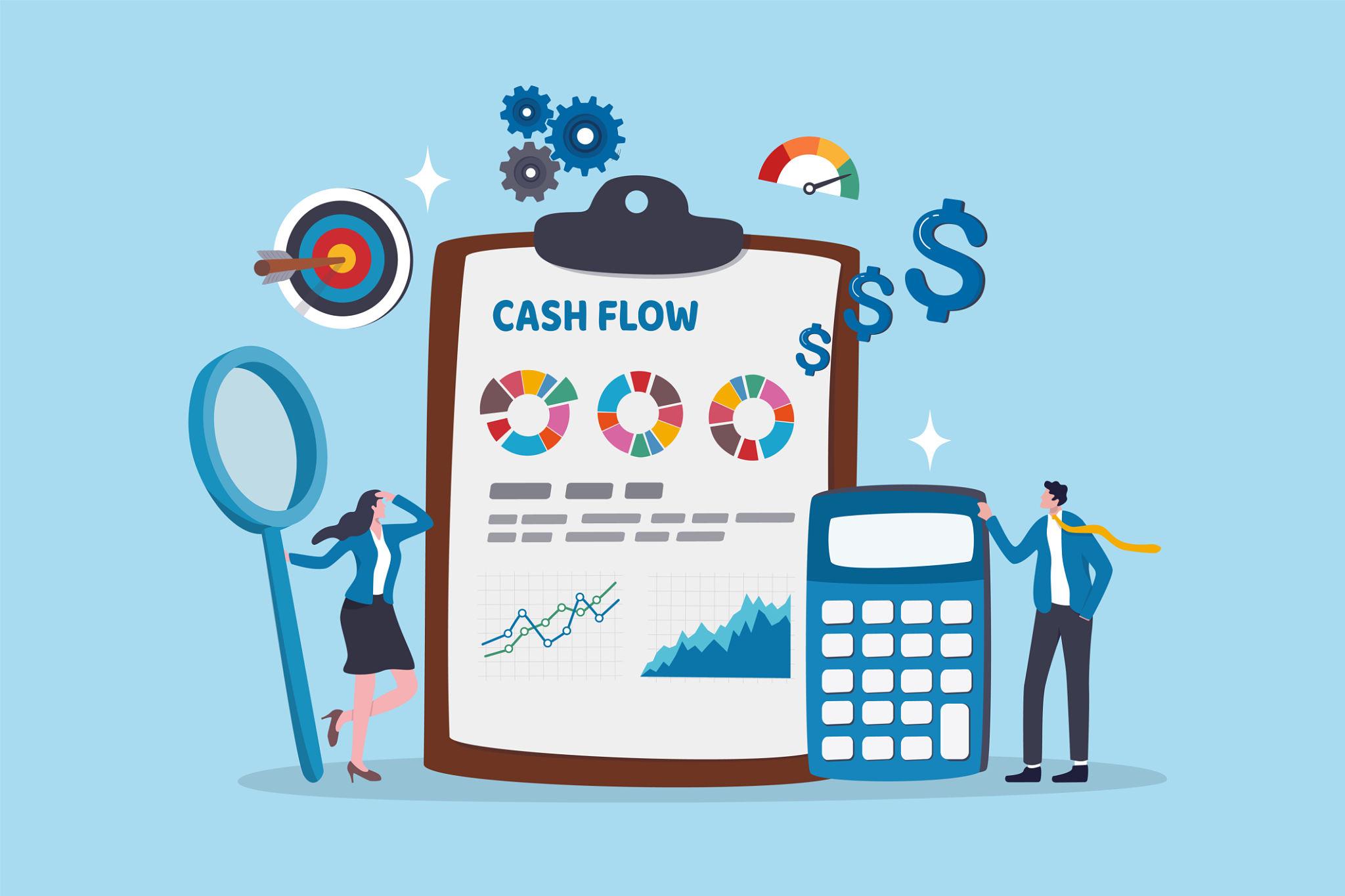
If your business is making a profit, it is easy to assume everything is going well. The numbers look strong, sales are coming in, and on paper, the business appears healthy.
But here is the reality. Profit does not always mean you have cash in the bank.
This is one of the most common misunderstandings among business owners, and it is also one of the biggest reasons businesses run into trouble. Understanding the difference between profit and cash flow is not just helpful. It is essential for survival and growth.
Profit is what remains after you subtract all your expenses from your revenue. It is a measure of performance and shows whether your business model is sustainable.
When you are profitable, it means your pricing, costs, and operations are aligned in a way that generates value. Over time, consistent profit indicates that your business has the potential to grow and scale.
This is why profit is often seen as a key success metric. It tells you that, in theory, your business is working.
However, profit is an accounting concept. It does not reflect the timing of money moving in and out of your business.
Cash flow, on the other hand, is about reality. It tracks the actual movement of money.
It shows how much cash is coming into your business and how much is going out. This includes customer payments, supplier costs, salaries, rent, and every other expense that requires immediate payment.
You can be profitable and still struggle if your cash flow is weak. If there is not enough money available when payments are due, the business starts to feel pressure very quickly.
Cash flow is what keeps your business running day to day. Without it, even a strong business model can collapse.
The biggest difference between profit and cash flow comes down to timing.
Revenue is often recorded when a sale is made, not when the payment is received. At the same time, expenses such as salaries and rent usually need to be paid immediately.
This creates a gap.
You might show strong profits for the month, but if customers have not paid yet, your bank balance may not reflect that success. Meanwhile, your obligations continue regardless of when your income arrives.
This gap is where many businesses face challenges.
Consider a business that generates 8,000 in sales in a month, with expenses of 5,000. On paper, it has made a profit of 3,000.
Now imagine that most of those customers are on 60 day payment terms. The revenue is recorded, but the cash has not yet arrived.
At the same time, expenses must be paid immediately. Rent, salaries, and supplier payments cannot wait.
So even though the business is profitable, it may not have enough cash to operate smoothly. This is how profitable businesses end up struggling.
Profit is important for long term success, but cash flow determines whether you can continue operating in the short term.
Strong cash flow allows you to pay bills on time, invest in growth, and handle unexpected expenses with confidence. It gives you flexibility and control.
Poor cash flow, on the other hand, creates stress. It forces you to delay payments, rely on credit, or even pause operations.
This is why experienced business owners focus heavily on cash flow, not just profit.
The goal is not to choose one over the other. A successful business needs both.
Profit ensures that your business is viable and worth continuing. Cash flow ensures that you can actually keep it running.
The key is to monitor both regularly. Reviewing your financial reports each month helps you understand not just how much you are earning, but how much you truly have available.
Improving your invoicing process can speed up payments. Managing expenses carefully can reduce unnecessary outflows. Planning ahead allows you to prepare for periods where cash might be tight.
These small actions can make a significant difference over time.
Many business owners focus only on profit because it feels like the ultimate measure of success.
They see positive numbers and assume everything is under control, only to face cash shortages later. Others do not track their cash flow at all, which leaves them unprepared for gaps between income and expenses.
Another common mistake is relying too heavily on expected payments without considering delays. This creates a false sense of security.
Avoiding these mistakes starts with awareness and regular monitoring.
Profit and cash flow are closely connected, but they serve very different purposes.
Profit shows you the bigger picture and tells you whether your business model is working. Cash flow reflects your day to day reality and determines whether you can operate without disruption.
Understanding both gives you control. It allows you to make better decisions, reduce financial stress, and build a business that is not just profitable, but also stable.
In the end, success is not just about how much you earn. It is about how well you manage what you have.
Need help with your self-assessment tax return?
Galaxy Financials provides expert tax support to make your self-assessment simple and stress-free.