MON - FRI 9:00 - 17:30

Published: April 2026 | by Admin
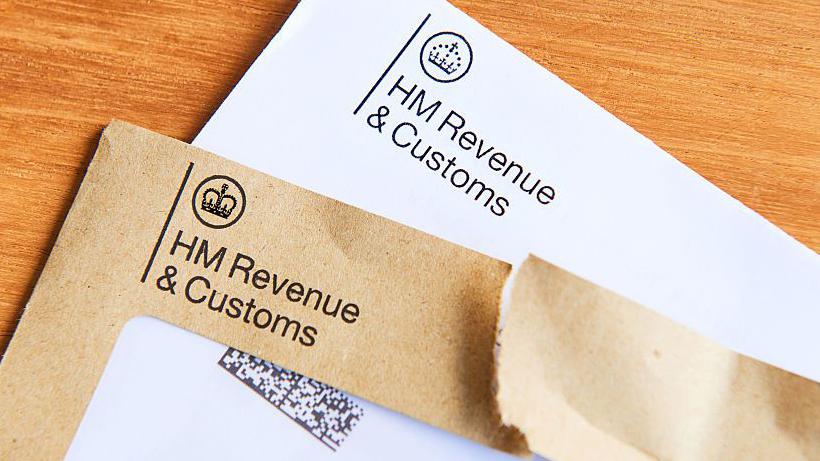
For most individuals and business owners, the thought of an HMRC investigation can feel really stressful.
An enquiry from HMRC doesn’t just mean extra paperwork. It can lead to penalties, interest charges, and in some cases, a deeper review of your financial affairs.
What many people don’t realise is that these investigations are often data-driven. HMRC receives and processes billions of data points every year from banks, employers, and third parties. In fact, HMRC estimates that tax non-compliance costs the UK over £35 billion annually, which is why enforcement has become more sophisticated and targeted.
If you understand what triggers an investigation, you can take simple steps to stay compliant and avoid unnecessary risk.
An HMRC investigation, also known as an enquiry, is when HMRC reviews your tax return or financial records to ensure everything has been reported correctly.
This could range from a basic check on a specific part of your return to a full-scale investigation covering multiple years. HMRC conducts hundreds of thousands of compliance checks each year, focusing on areas where discrepancies are most likely.
One of the most common triggers is inconsistency in your tax returns. If your income suddenly drops or fluctuates without a clear explanation, it can raise suspicion.
Undeclared income is another major factor. With increased access to third-party data, HMRC can now cross-check income from multiple sources. For example, rental income, freelance earnings, and overseas income are all areas where discrepancies are frequently identified.
Unusually high expense claims can also draw attention. If your expenses appear disproportionate to your income, HMRC may review whether those claims are legitimate.
Late submissions and missed deadlines are additional warning signs. While a one-off delay may not trigger an investigation, repeated non-compliance significantly increases your risk profile.
Although less common, HMRC also carries out random checks. Even compliant taxpayers can occasionally be selected as part of routine monitoring.
Property investors are increasingly under scrutiny. HMRC has significantly improved its ability to track property-related income through data shared by letting agents, banks, and even online platforms.
According to industry insights, compliance checks into property income have risen in recent years, as HMRC targets underreported rental earnings. Many landlords still misunderstand rules around allowable expenses and mortgage interest relief, which increases the likelihood of errors.
Given the growing number of buy-to-let investors, this area remains a key focus for HMRC enforcement.
Keeping your financial records accurate and consistent is the best way to avoid an HMRC investigation.
Keeping detailed records throughout the year is essential. This includes tracking all sources of income, maintaining receipts for expenses, and ensuring your figures align with your bank statements.
Transparency is equally important. Reporting all income, even smaller amounts, reduces the risk of discrepancies when HMRC cross-checks your data.
Understanding what qualifies as an allowable expense is another key factor. Incorrect claims are one of the most common reasons for enquiries.
Filing your tax return on time and paying any tax owed by the deadline also plays a crucial role. A consistent compliance history signals reliability and reduces your chances of being flagged.
If HMRC opens an enquiry, you will usually receive a formal notice requesting further information.
In simpler cases, this may involve clarifying specific figures or providing supporting documents. In more complex cases, HMRC may review multiple years of records and examine your financial activity in detail.
If discrepancies are found, you may be required to pay additional tax along with interest and penalties. These penalties can range from 0% to 100% of the unpaid tax, depending on whether the error was considered careless or deliberate.
Many investigations escalate unnecessarily due to poor record-keeping or misunderstanding of tax rules.
Working with a professional ensures that your filings are accurate, compliant, and aligned with current regulations. It also helps you structure your finances more efficiently, reducing both risk and tax liability.
More importantly, if HMRC ever does contact you, having expert support can make the process far smoother and less stressful.
HMRC investigations are becoming more data-driven and targeted, making it increasingly important to get your finances right.
Most enquiries are triggered by avoidable issues such as inconsistencies, missing income, or incorrect expense claims. By staying organised, transparent, and informed, you can significantly reduce your risk.
Need help with your self-assessment tax return?
Galaxy Financials provides expert tax support to make your self-assessment simple and stress-free.