MON - FRI 9:00 - 17:30

Published: May 2026 | by Admin
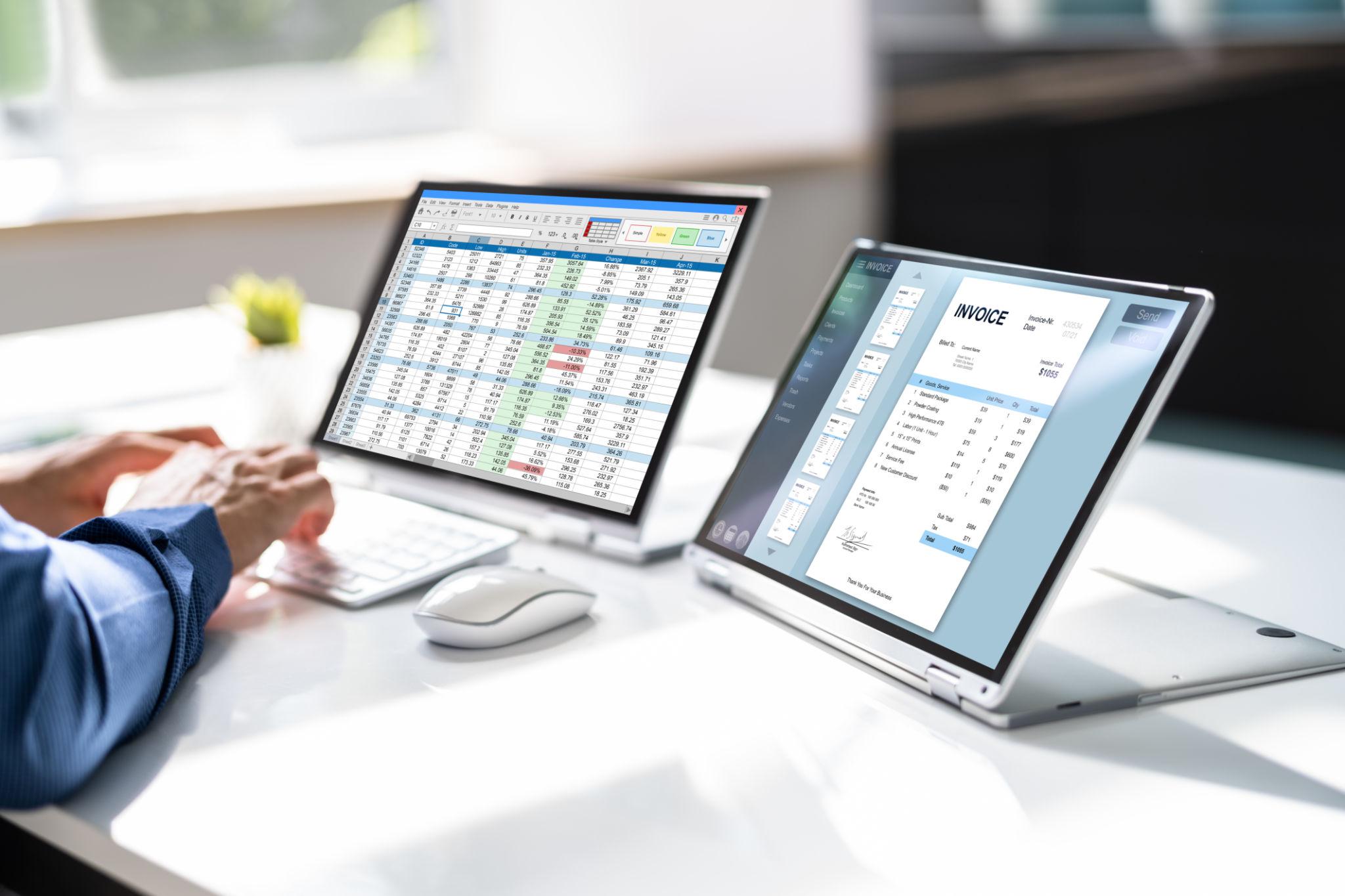
Bookkeeping is often seen as a routine administrative task, but in reality, it plays a critical role in the financial health of your business. Poor bookkeeping does not just create confusion; it directly impacts your profitability, cash flow, and tax efficiency. Many small business owners and property investors unknowingly lose money due to avoidable mistakes. In 2026, with stricter compliance and digital reporting requirements, getting your books right is more important than ever.
Accurate bookkeeping provides a clear picture of your financial position. It helps you track income, control expenses, and make informed decisions. Without reliable records, you are essentially running your business blindly. It also ensures that your reporting to HM Revenue and Customs is accurate, reducing the risk of penalties and audits.
One of the most common mistakes is not separating personal and business finances. Using the same bank account for both can make it difficult to track expenses and identify deductible costs. This often leads to missed tax-saving opportunities and inaccurate reporting.
Maintaining a dedicated business account creates clarity and simplifies the entire bookkeeping process.
Many business owners fail to keep consistent and organised records of their transactions. Lost receipts, incomplete invoices, and missing documentation can create serious issues when it comes to filing taxes or reviewing financial performance.
Good record keeping ensures that every expense is accounted for and that you can justify your claims if questioned by HM Revenue and Customs.
Bank reconciliation is the process of matching your financial records with your bank statements. Skipping this step can lead to unnoticed errors, duplicate entries, or even fraud.
Regular reconciliation helps you identify discrepancies early and maintain accurate financial data.
Incorrectly categorising expenses is another common issue. For example, confusing capital expenses with day-to-day operational costs can affect both your financial reports and your tax calculations.
Accurate classification ensures that your reports reflect the true financial position of your business and that you are claiming deductions correctly.
Profit does not always equal cash in the bank. Many businesses fail because they do not monitor their cash flow properly. Late payments from clients, unexpected expenses, or poor planning can create cash shortages even when the business appears profitable.
Effective bookkeeping allows you to track cash flow and plan ahead, ensuring you have enough funds to meet your obligations.
Late filing of tax returns or delayed payments can result in penalties and interest charges. These unnecessary costs can add up quickly and affect your overall profitability.
Keeping your books up to date makes it easier to meet deadlines and submit accurate returns to HM Revenue and Customs on time.
Relying on manual methods or outdated systems increases the risk of errors and inefficiency. Modern accounting software can automate many aspects of bookkeeping, from tracking expenses to generating reports.
Digital tools also help ensure compliance with initiatives like Making Tax Digital, making your financial management more efficient.
While it may seem cost-effective to handle bookkeeping on your own, it can often lead to costly mistakes if you lack the necessary expertise. As your business grows, managing finances becomes more complex.
Working with a professional ensures accuracy, saves time, and helps you identify opportunities to improve your financial performance.
Bookkeeping mistakes are not just minor errors; they can have a real financial impact on your business. By addressing these common issues and adopting better financial practices, you can improve your profitability and reduce unnecessary costs.
Taking bookkeeping seriously is not just about compliance; it is about gaining control over your finances and setting your business up for long-term success.
Need help with your self-assessment tax return?
Galaxy Financials provides expert tax support to make your self-assessment simple and stress-free.